
How to Create Cinematic Look in Photos: Simple Techniques for Cinematic Photo Editing
Creating a cinematic look in photography involves a blend of artistic techniques and technical skills that can transform ordinary images into visually stunning masterpieces. This article will guide you through the essential methods to achieve that cinematic aesthetic, focusing on color grading, lighting, and composition. By understanding these elements, you can elevate your photography to evoke emotions and tell compelling stories through your images. Many photographers struggle to achieve that film-like quality, but with the right techniques, you can create captivating visuals that resonate with viewers. We will explore the definition of a cinematic look, delve into color grading techniques, and discuss the best photo editing apps to help you achieve this effect.
What Is Cinematic Look in Photography? Understanding Cinematic Aesthetics
The cinematic look in photography refers to a visual style that mimics the aesthetics of film, characterized by rich colors, dramatic lighting, and compelling compositions. This style enhances the storytelling aspect of photography, making images feel more immersive and engaging. The cinematic look is achieved through various techniques, including color grading, lighting adjustments, and thoughtful composition. By understanding these elements, photographers can create images that not only capture attention but also evoke emotions and convey narratives.
What Defines a Cinematic Photo? Key Visual Attributes Explained
Cinematic photos are defined by several key visual attributes that contribute to their film-like quality. These include:
- Color Grading: The use of specific color palettes to evoke emotions and set the mood.
- Lighting: Strategic lighting techniques that create depth and drama.
- Composition: Thoughtful arrangement of elements within the frame to guide the viewer’s eye.
These attributes work together to create a cohesive and visually striking image that resonates with viewers.
Further emphasizing the importance of these elements, research highlights how aesthetic quality in photography is deeply rooted in compositional rules and color features.
Photographic Aesthetic & Compositional Rules
The term “Aesthetic” means the philosophy of beauty. In the field of art and photography, it relates to the artistic choice and appreciation of artistry. Computational assessment of aesthetic appeal of photographs is a highly idiosyncratic job. The existing studies reveal that aesthetic quality of photographs depend on the compositional rules like Rule of Third, Golden ratio, Depth of field, and the color space features such as hue, saturation, texture. The purposes of this paper are to present current state of the art in aesthetic evaluation of photographs and provide few future research directions in this area.
Computational approaches to aesthetic quality assessment of digital photographs: state of the art and future research directives, S Changder, 2020
How Do Lighting and Composition Create a Film Look?
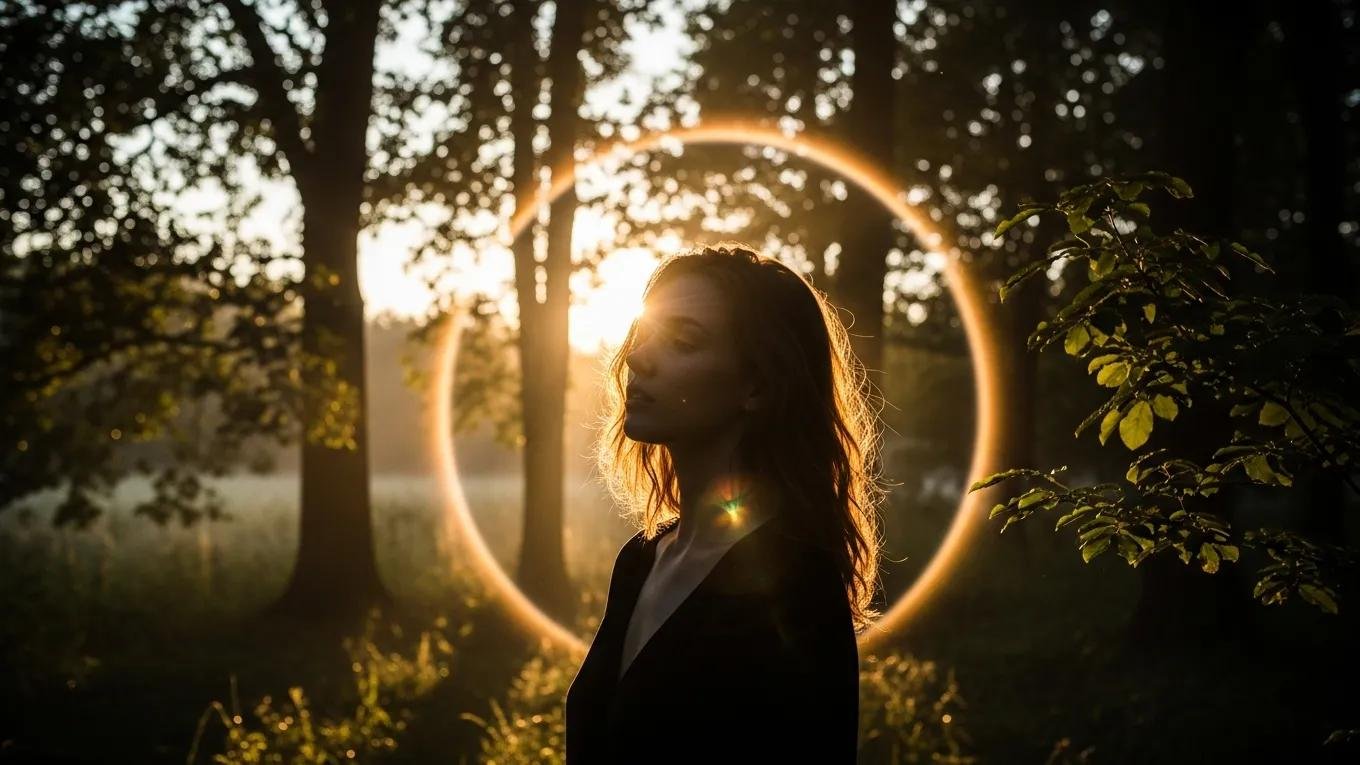
Lighting and composition are crucial in achieving a cinematic feel in photography. Effective lighting techniques, such as using natural light or artificial sources to create shadows and highlights, can dramatically alter the mood of an image. For instance, low-key lighting can evoke mystery, while high-key lighting can create a sense of openness.
Composition rules, such as the rule of thirds and leading lines, help to draw the viewer’s attention to the subject and create a sense of balance within the frame. Famous cinematic shots often utilize these techniques to enhance storytelling, making the viewer feel more connected to the image.
How to Use Color Grading for Cinematic Photo Effects
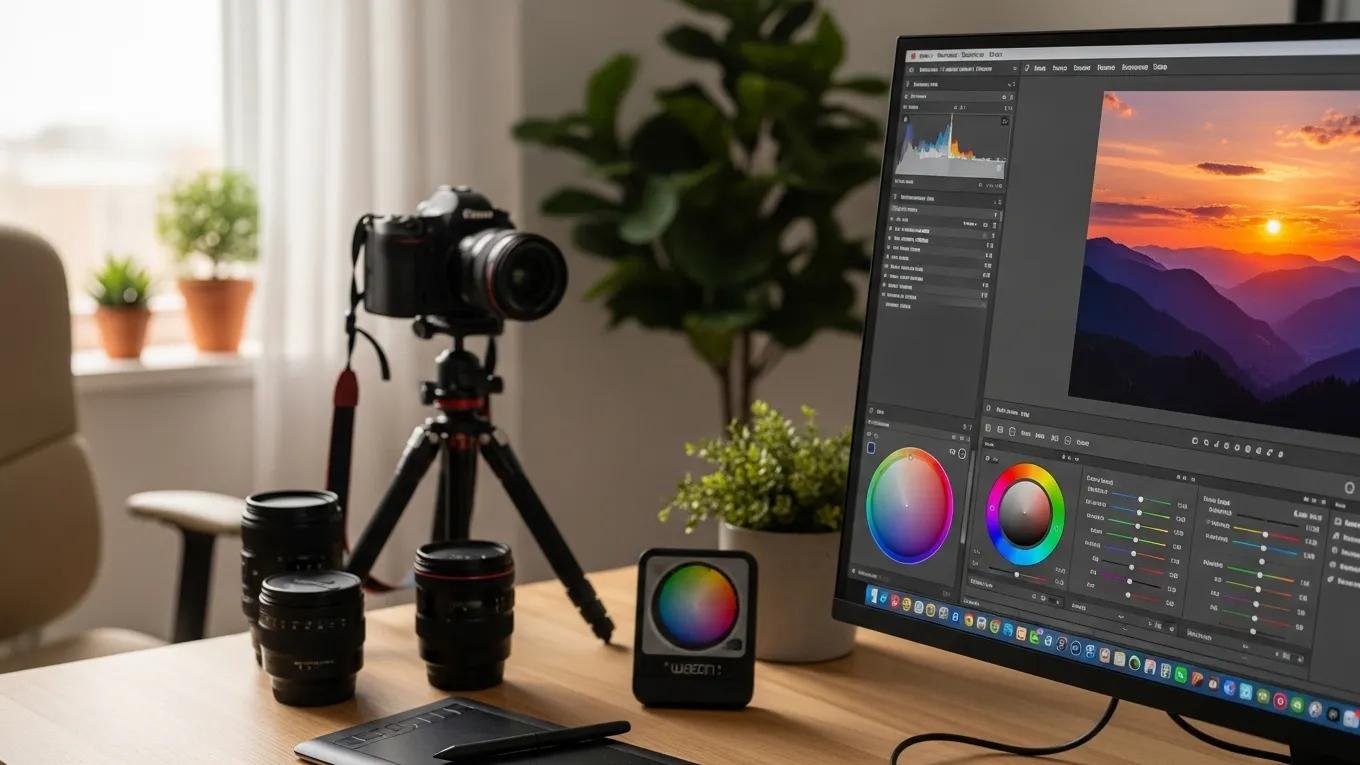
Color grading is a powerful tool in photography that allows you to manipulate the colors in your images to achieve a specific look or mood. By adjusting the hues, saturation, and contrast, you can create a cinematic effect that enhances the overall aesthetic of your photos.
Indeed, the strategic manipulation of colors through cinematic color grading is crucial for optimizing visual appeal and evoking specific emotions, as further explored in academic studies.
Cinematic Color Grading for Visual Appeal & Emotional Impact
The importance of cinematic color grading for high-resolution videos in multimedia content optimization for film production and promotion is explored in this study. A post-production technique called color grading includes adjusting the video’s primary colors like Lift, Gamma, Gain, and Offset to improve visual appeal and elicit particular feelings, which are experimented with and shown in the study results. The study also highlights how color-graded images are pivotal in creating visually appealing and unified promotional materials, a practical benefit that can significantly impact film production and marketing strategies.
Cinematic color grading for optimizing AI multimedia content in film production and promotion, S Pattanayak, 2023
What Are Basic Color Grading Techniques for Photos?
Basic color grading techniques include:
- Color Wheels: Adjusting shadows, midtones, and highlights to create a balanced color palette.
- LUTs (Look-Up Tables): Applying predefined color profiles to achieve a specific look quickly.
- Curves: Fine-tuning the tonal range and contrast of an image for a more dynamic appearance.
These techniques can significantly impact the emotional tone of your photographs, making them feel more cinematic.
How Can AI Tools Enhance Cinematic Color Grading?
AI tools have revolutionized the way photographers approach color grading. These tools can analyze images and suggest optimal adjustments based on the desired cinematic look. For example, AI-driven software can automatically enhance colors, adjust lighting, and apply filters that mimic popular cinematic styles. This not only saves time but also allows photographers to experiment with different looks without extensive manual adjustments.
Which Photo Editing Apps and Software Best Create Cinematic Looks?
When it comes to achieving a cinematic look, the right photo editing apps and software can make all the difference. Various tools offer features specifically designed for color grading and enhancing the cinematic quality of images.
What Features to Look for in Cinematic Photo Editing Apps?
When selecting a photo editing app for cinematic editing, consider the following features:
- User Interface: An intuitive layout that allows for easy navigation and adjustments.
- Editing Tools: A comprehensive set of tools for color grading, exposure adjustments, and effects.
- Export Options: Flexibility in exporting images in various formats and resolutions.
These features ensure that you can effectively create and refine your cinematic look.
How Do AI-Powered Tools Simplify Cinematic Edits?
AI-powered tools simplify the editing process by automating complex tasks. For instance, these tools can quickly analyze an image and suggest color corrections, lighting adjustments, and even composition enhancements. This automation allows photographers to focus more on their creative vision rather than getting bogged down in technical details.
What Are Practical Tips for Cinematic Lighting and Composition in Photos?
Achieving a cinematic look requires practical knowledge of lighting and composition techniques. Here are some tips to help you create stunning images.
How to Use Lighting Techniques to Achieve Cinematic Mood?
To create a cinematic mood, consider the following lighting techniques:
- Backlighting: Positioning the light source behind the subject to create a halo effect.
- Diffused Light: Using soft light sources to reduce harsh shadows and create a dreamy atmosphere.
- Golden Hour: Taking advantage of the warm, soft light during sunrise or sunset for a natural cinematic glow.
These techniques can significantly enhance the emotional impact of your photographs.
What Composition Tips Enhance the Cinematic Feel?
Effective composition is essential for creating a cinematic feel. Here are some tips:
- Rule of Thirds: Position key elements along the grid lines to create balance.
- Leading Lines: Use natural lines in the scene to guide the viewer’s eye toward the subject.
- Framing: Incorporate elements in the foreground to frame the subject and add depth.
By applying these composition techniques, you can create images that are not only visually appealing but also narratively compelling.